Great Achievements of the Yoruba People
The Yoruba people, one of Africa’s most prominent ethnic groups, are renowned for their rich cultural heritage, historical accomplishments, and significant contributions to global civilization. Spread primarily across southwestern Nigeria, Benin, and Togo, the Yoruba have left an indelible mark on various fields, including governance, art, education, and spirituality.
Ancient Kingdoms and Governance
One of the Yoruba people’s most remarkable achievements lies in their sophisticated systems of governance, which date back to antiquity. The Kingdom of Ife, considered the cradle of Yoruba civilization, flourished as a spiritual and cultural hub as early as the 12th century. Ife is renowned for its effective leadership structure, with the Ooni of Ife serving as both a political and spiritual leader.
Similarly, the Oyo Empire, which rose to prominence in the 15th century, is celebrated for its military prowess and efficient governance. The empire developed an intricate system of checks and balances, embodied in the council of chiefs known as the Oyo Mesi and the Alaafin of Oyo. This governance model remains a testament to the Yoruba’s political sophistication and has influenced governance systems in modern Nigeria.
Artistic and Cultural Contributions
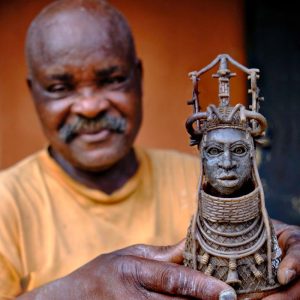
The Yoruba are world-renowned for their exceptional artistry. The bronze and terracotta sculptures from Ife, dating back to the 12th–15th centuries, display an astonishing level of craftsmanship and realism. These artifacts, often used in religious and ceremonial contexts, are considered masterpieces of African art.
Yoruba textiles, beadwork, and woodcarvings also stand out as remarkable achievements. The adire cloth, a traditional tie-and-dye fabric, showcases their ingenuity in textile design and is celebrated globally for its beauty and craftsmanship.
In performing arts, the Yoruba have made significant contributions to music, dance, and theater. The talking drum (gangan), which mimics the tonal nature of the Yoruba language, is a unique instrument that highlights their innovative spirit. Additionally, the works of playwrights like Wole Soyinka, the first African Nobel Laureate in Literature, underscore the depth of Yoruba intellectual and cultural expression.
Spiritual Influence
The Yoruba have profoundly impacted global spirituality through the Ifa religion, a system of divination and philosophy that emphasizes harmony, wisdom, and interconnectedness. The pantheon of Yoruba deities, known as Orishas, has influenced various Afro-Caribbean religions, such as Santería in Cuba, Candomblé in Brazil, and Vodun in Haiti. These traditions, carried across the Atlantic during the transatlantic slave trade, have preserved and expanded Yoruba spiritual practices, contributing to global religious diversity.
Academic and Intellectual Achievements
The Yoruba are known for their emphasis on education and intellectual achievement. Figures like Obafemi Awolowo, a prominent nationalist and statesman, championed free education in Nigeria, a policy that benefited millions of Nigerians and elevated literacy rates. The University of Ibadan, Nigeria’s premier university, is located in a predominantly Yoruba region and has produced numerous scholars and leaders who have made significant contributions to global academia.
Modern Contributions to Society
In contemporary times, Yoruba people continue to excel in various fields. In entertainment, artists like Fela Kuti, the pioneer of Afrobeat, have shaped global music trends. Yoruba entrepreneurs, including Aliko Dangote, Africa’s richest man, have made significant economic contributions. Moreover, Yoruba traditions, festivals, and cuisine, such as the famous jollof rice and amala, have become globally celebrated.
Conclusion
The Yoruba people have a legacy of remarkable achievements that span centuries and extend into various domains, from governance and art to education and spirituality. Their contributions have enriched not only African culture but also global civilization. As custodians of an enduring heritage, the Yoruba continue to inspire generations, underscoring their role as one of Africa’s most accomplished and influential ethnic groups.